
Bitcoin
Own your money.

What's Haute with Halima is where curious people come to understand Bitcoin, money, and the ideas shaping our financial future—through thoughtful conversations, beautiful storytelling, and zero gatekeeping.
Trusted by listeners in 30+ countries.
Listen on
Own your money.
Build it intentionally.
Understand what's coming.

I believe understanding money shouldn't require a finance degree—or a tolerance for boring conversations.
I'm a Bitcoin educator, interviewer and storyteller helping a new generation build wealth with confidence.
Each week I sit down with founders, educators and builders shaping the future of money.
No gatekeeping.
Just thoughtful conversations that leave you smarter than when you arrived.
I'm here to make Bitcoin feel like common sense.
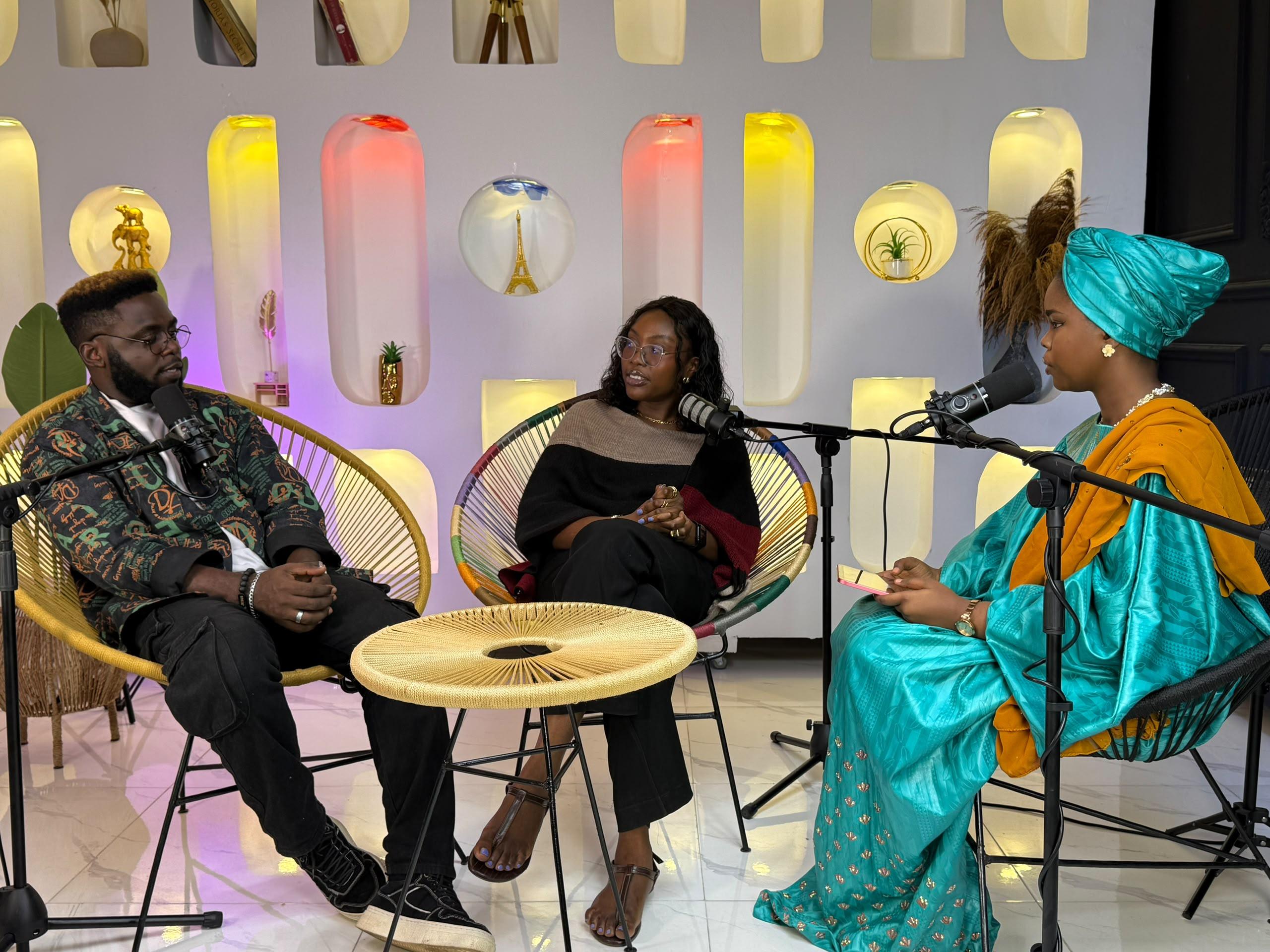
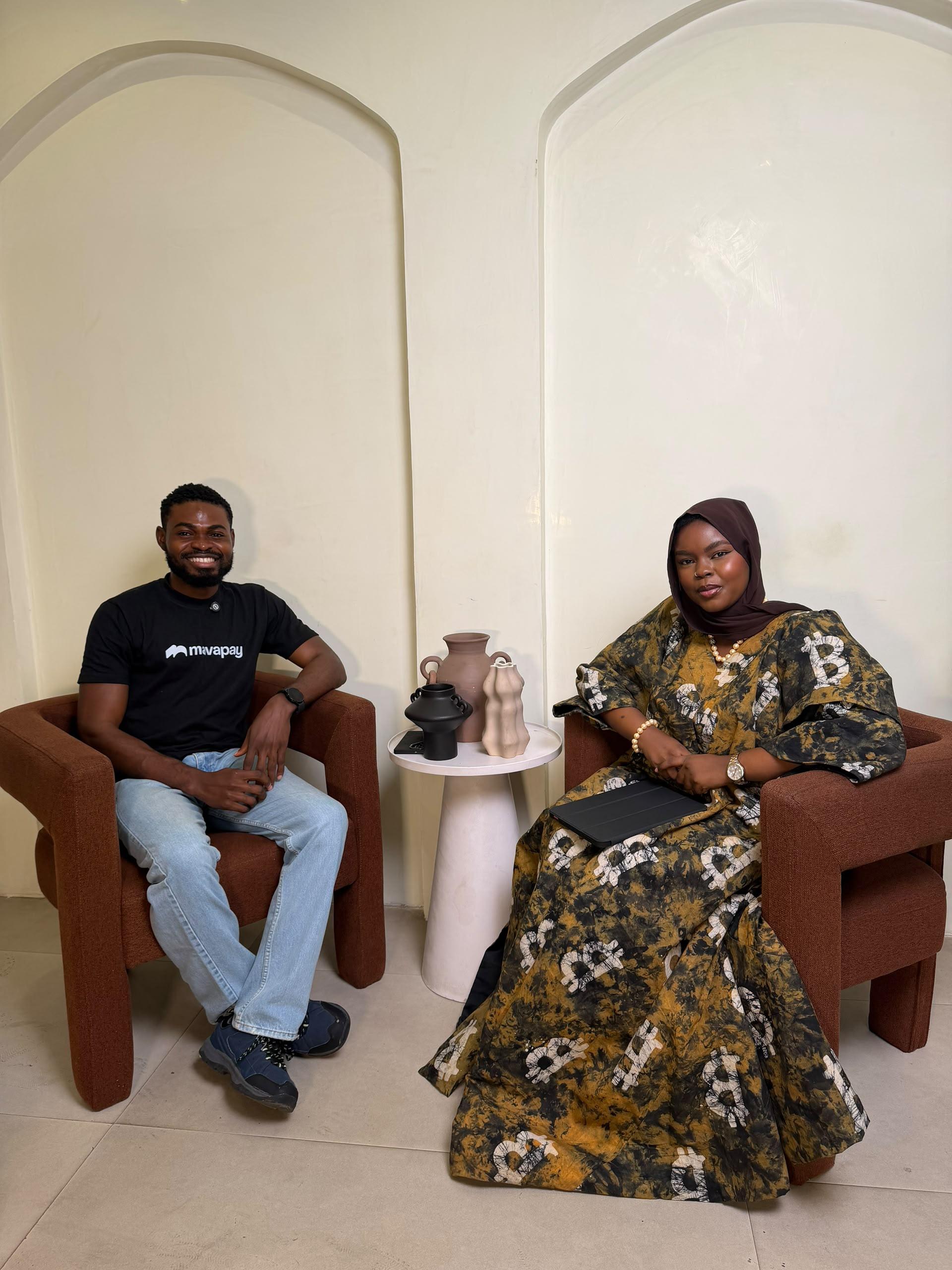
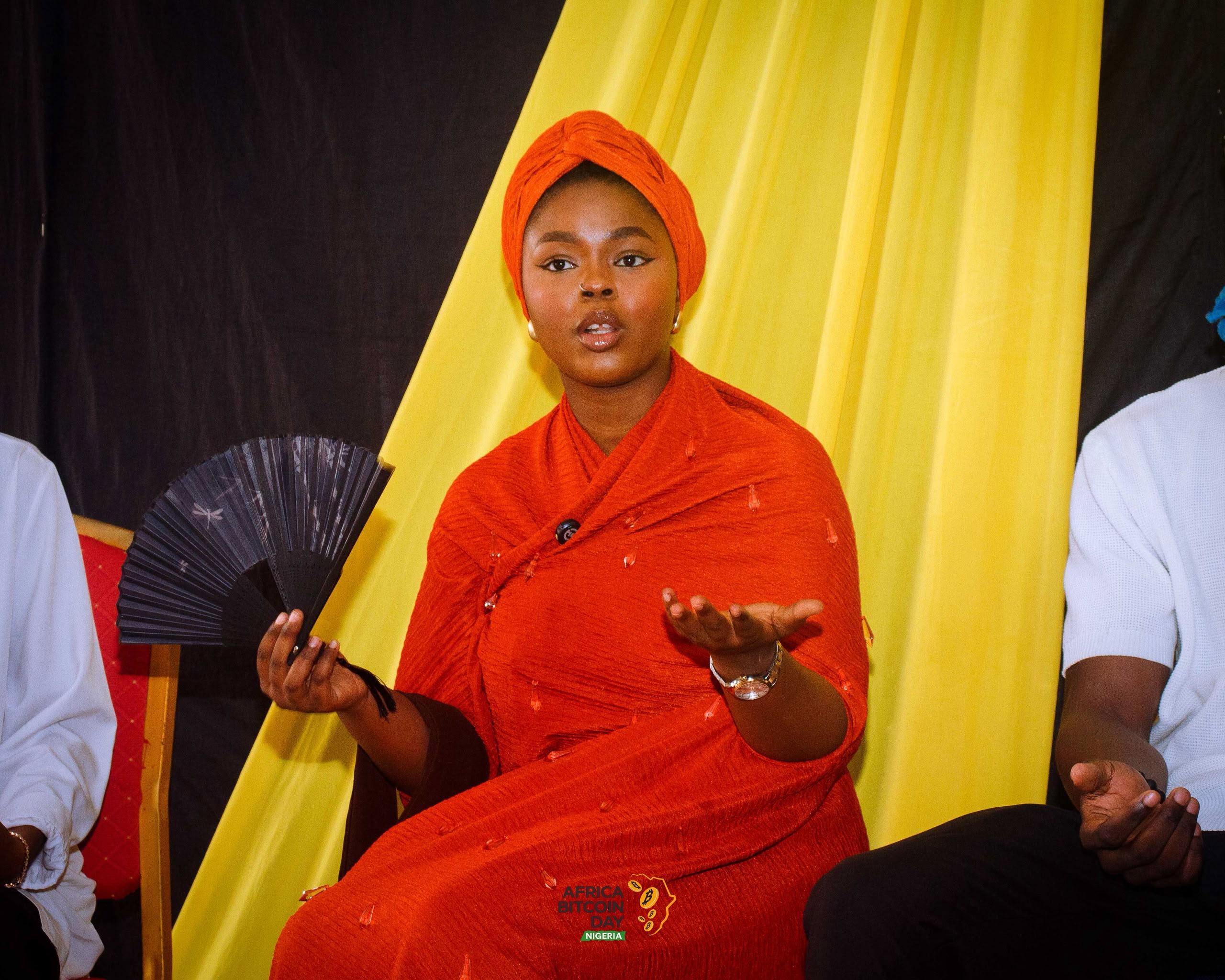
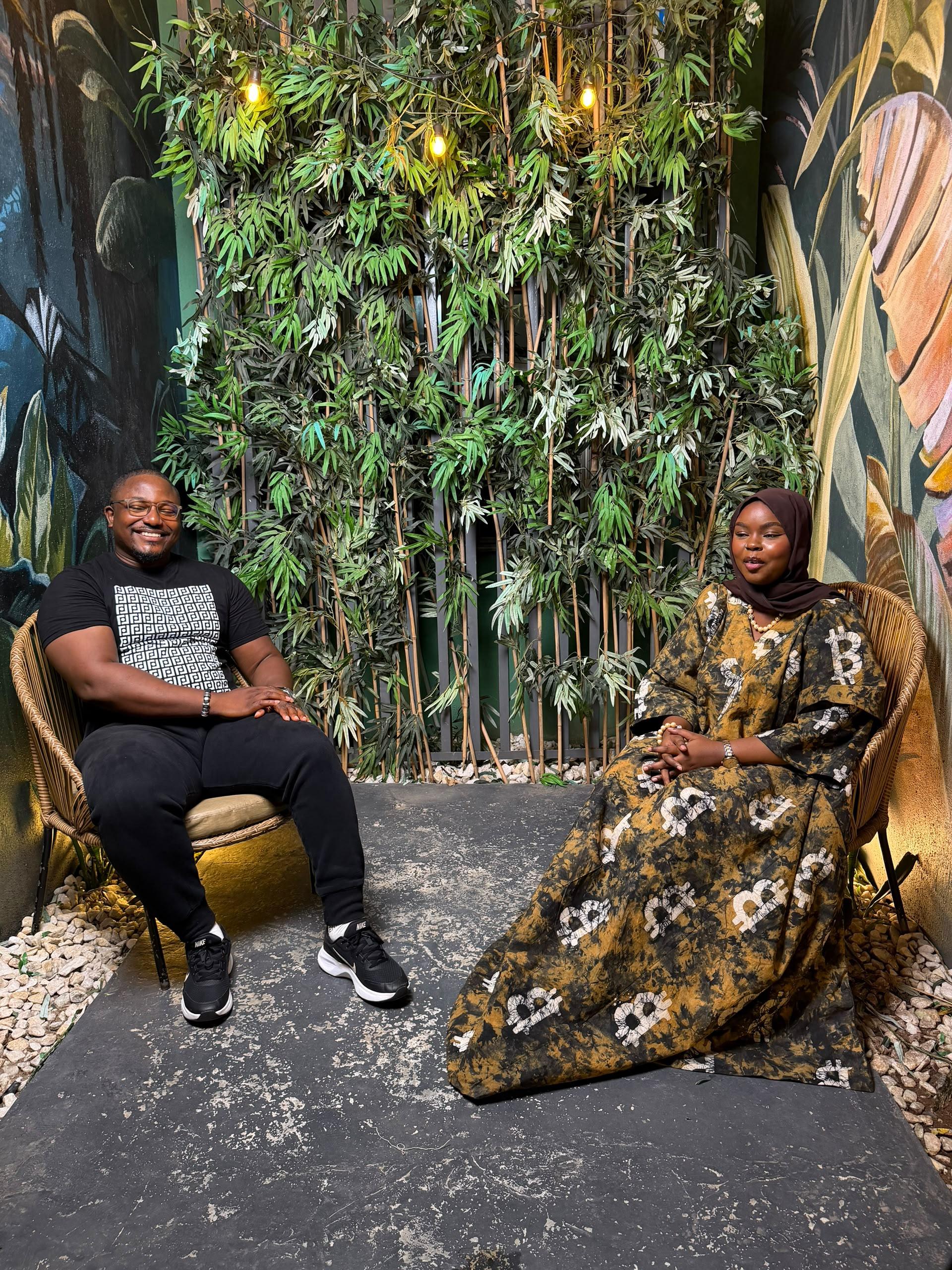
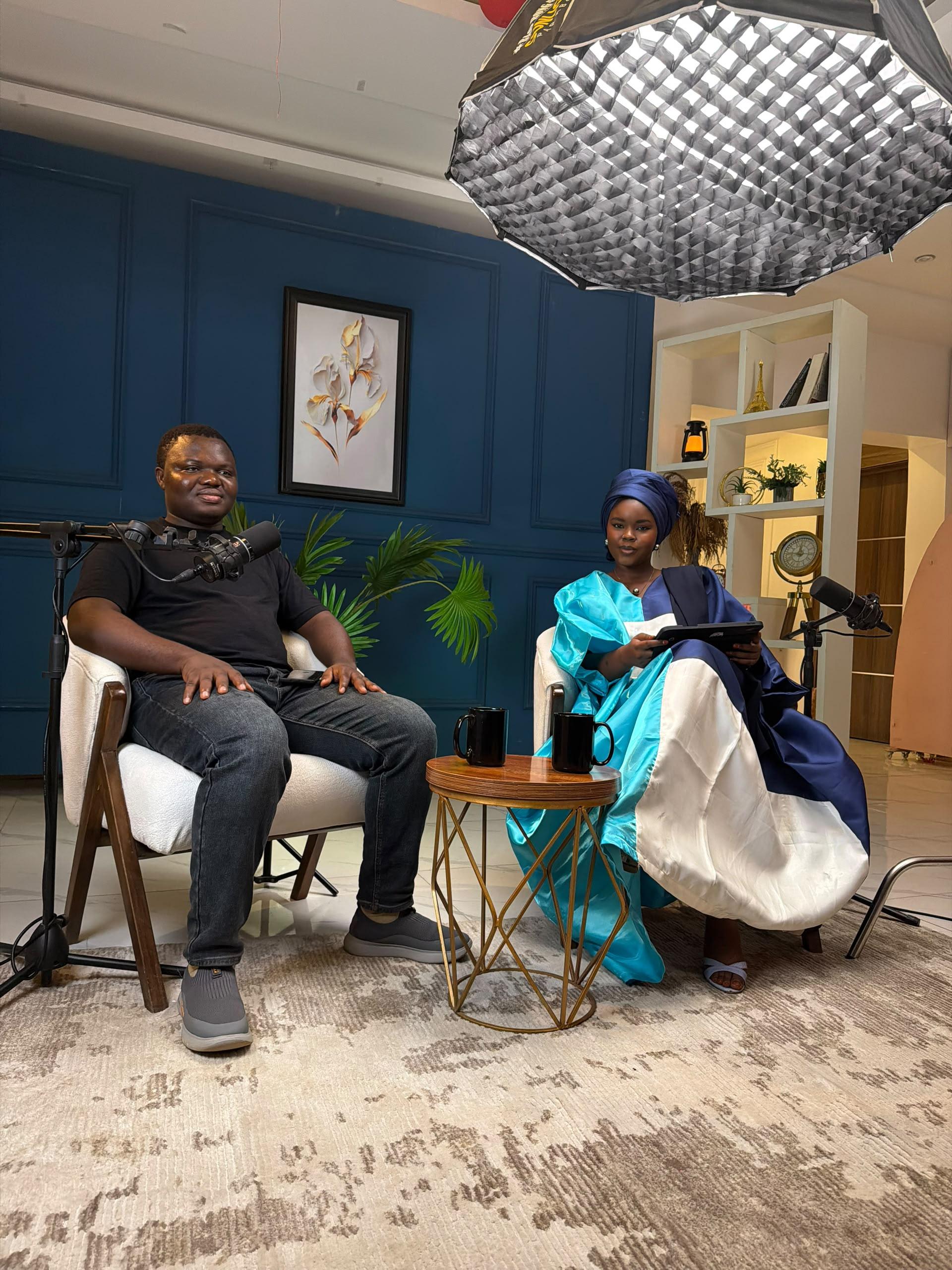
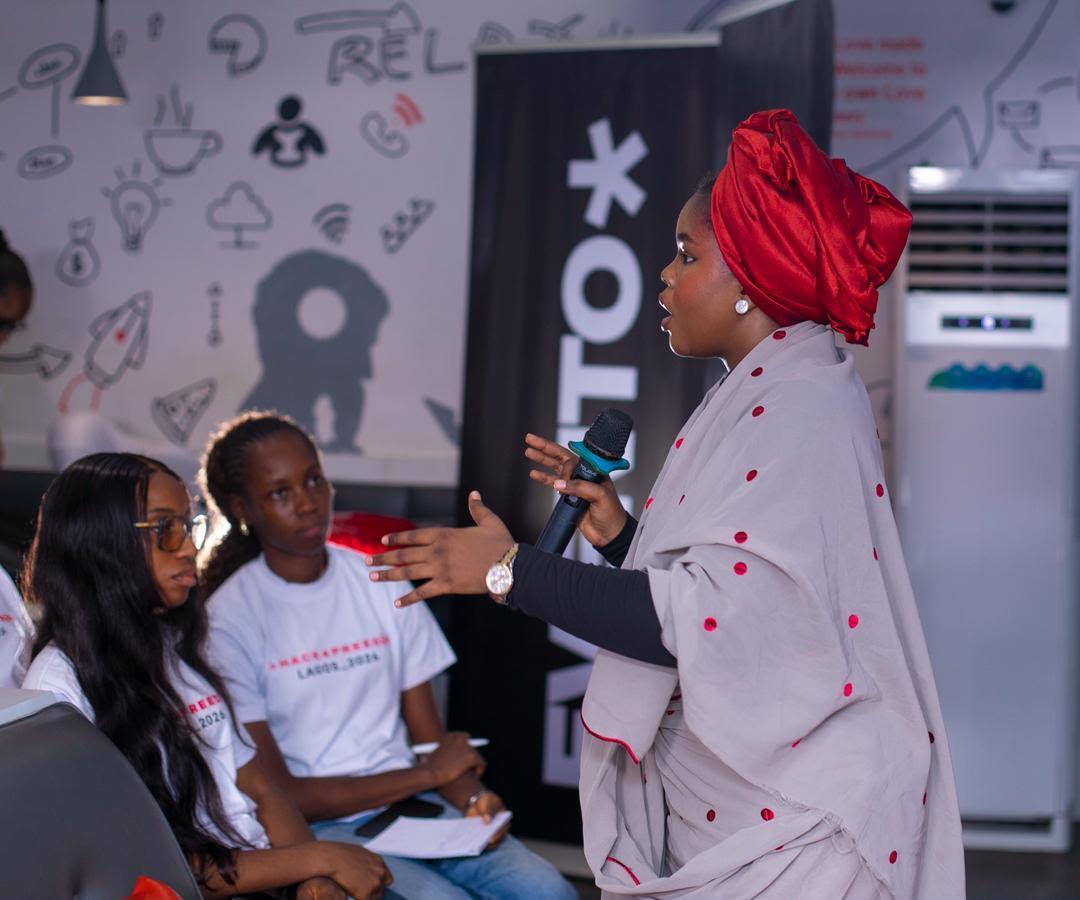
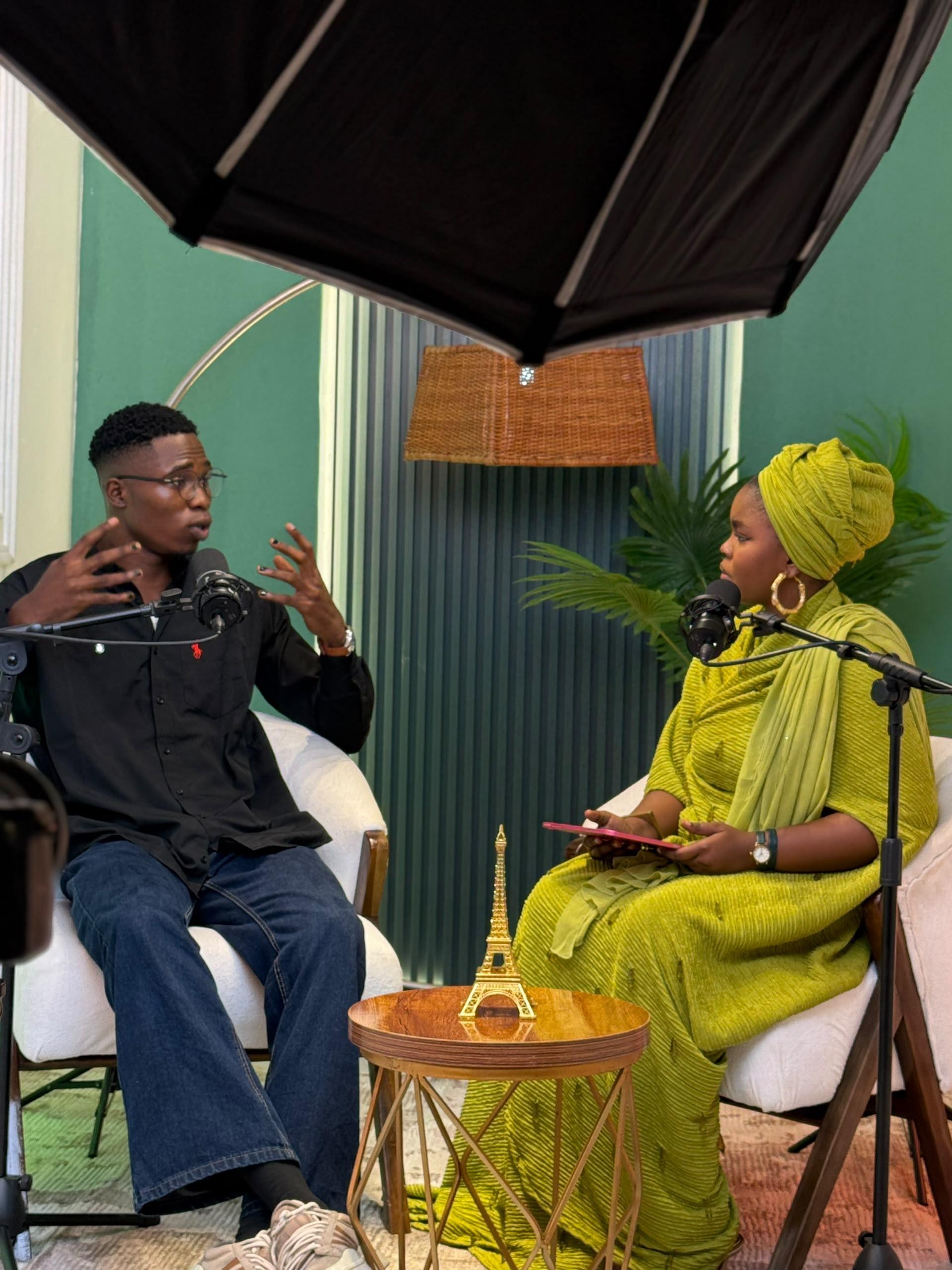
Pour something nice and press play. New conversations on Bitcoin, money, and the ideas shaping what comes next.

What does it actually take to bring Bitcoin to everyday people across Africa? In this episode of What’s Haute With Halima, I sit down with Ayobami Atolagbe (Coach Ayobami) — Bitcoin advocate, growth strategist, founder of BitKwa, and convener of Sats On The Road. We explore what it means to take Bitcoin beyond online conversations and conference rooms and into real communities. From grassroots Bitcoin education and community building to merchant adoption, talent development and practical use cases, we discuss what it will take to make Bitcoin more accessible and useful across Africa. Through initiatives like BitKwa and Sats On The Road, Ayobami is part of a wider conversation about turning Bitcoin awareness into meaningful adoption. Because Bitcoin adoption isn't just about how many people know about Bitcoin. It's about how many people can actually use it. In this conversation, we discuss: Taking Bitcoin education to the grassroots Building stronger Bitcoin communities across Africa Making Bitcoin useful beyond the Bitcoin community Merchant adoption and real-world utility Developing talent and growing the African Bitcoin ecosystem The future of Bitcoin adoption across the continent Watch, share your thoughts in the comments, and join the conversation. I'm Halima and the standard is orange. Subscribe to What’s Haute With Halima for conversations exploring Bitcoin, money, technology and the people building the future of financial freedom. #Bitcoin #Africa #AyobamiAtolagbe #BitKwa #SatsOnTheRoad #WhatsHauteWithHalima
Watch on YouTube →
You create the work. But how much of it do you actually own? In this episode of What’s Haute with Halima, I sit down with Nathaniel “Nat” Cole to explore what it means to own your craft and how Bitcoin connects to creative independence. For musicians and content creators, making great work is only part of the story. Having control over that work and how you earn from it raises a different set of questions. We explore the relationship between Bitcoin and music, looking beyond price to discuss ownership and the possibilities for creators. We also talk about 2140Music and BitFest UK, and how culture can help people connect with Bitcoin in ways that feel relevant to their lives. In this conversation: - What does it really mean to own your craft? - Where does Bitcoin fit into creative freedom? - The ideas behind 2140Music. - Bringing Bitcoin and music together through BitFest UK. Whether you’re a musician, a content creator or simply curious about Bitcoin beyond finance, this episode offers a different perspective on the work we create and the value it holds. What does creative ownership mean to you? Let us know in the comments. Subscribe to What’s Haute with Halima for more conversations exploring Bitcoin through the people building and using it. Share this episode with a creator who would have something to say about it. #Bitcoin #CreativeFreedom #WhatsHauteWithHalima
Watch on YouTube →
What if sending money across African borders could be faster, cheaper, and more accessible, all powered by Bitcoin? In this episode of What's Haute with Halima, I sit down with Theophilus (Theo) Isah, CEO of Mavapay, to explore how Bitcoin and the Lightning Network are reshaping cross-border payments and financial infrastructure across Africa. From the challenges of traditional banking systems to building real-world Bitcoin payment solutions, Theo shares insights into the opportunities, complexities, and future of Bitcoin-powered finance. In this conversation, we explore: 🔹 Why cross-border payments remain challenging across Africa 🔹 How Mavapay is using Bitcoin and the Lightning Network to address payment inefficiencies 🔹 The role of Bitcoin in powering faster international transactions 🔹 Bitcoin, stablecoins, and the future of African financial infrastructure 🔹 The realities of building a Bitcoin company in Africa 🔹 What it will take to bring Bitcoin-powered financial services into everyday use Whether you're a Bitcoin enthusiast, entrepreneur, fintech builder, or simply curious about the future of money in Africa, this conversation offers a fascinating look at what is being built. About our guest Theophilus Isah is the CEO of Mavapay, a company building cross-border payment infrastructure using Bitcoin and the Lightning Network. His experience in the Bitcoin ecosystem includes the Qala developer programme and contributions to Bitcoin-focused initiatives. About What's Haute with Halima What's Haute with Halima is a podcast exploring Bitcoin, finance, technology, and the ideas shaping our future, with a special focus on Africa. Through insightful conversations with founders, innovators, and industry leaders, we uncover the people and innovations driving financial transformation. 🌐 Website: https://whatshautewithhalima.com Join the conversation! Do you think Bitcoin and the Lightning Network can transform cross-border payments in Africa? Share your thoughts in the comments. Subscribe to What's Haute with Halima for more conversations about Bitcoin, innovation, and Africa's financial future. #Bitcoin #LightningNetwork #Mavapay #BitcoinAfrica #CrossBorderPayments #FintechAfrica #WhatsHauteWithHalima #BitcoinPayments
Watch on YouTube →